 Main meals
15 min hands-on · 45 min total · 7 ingredients
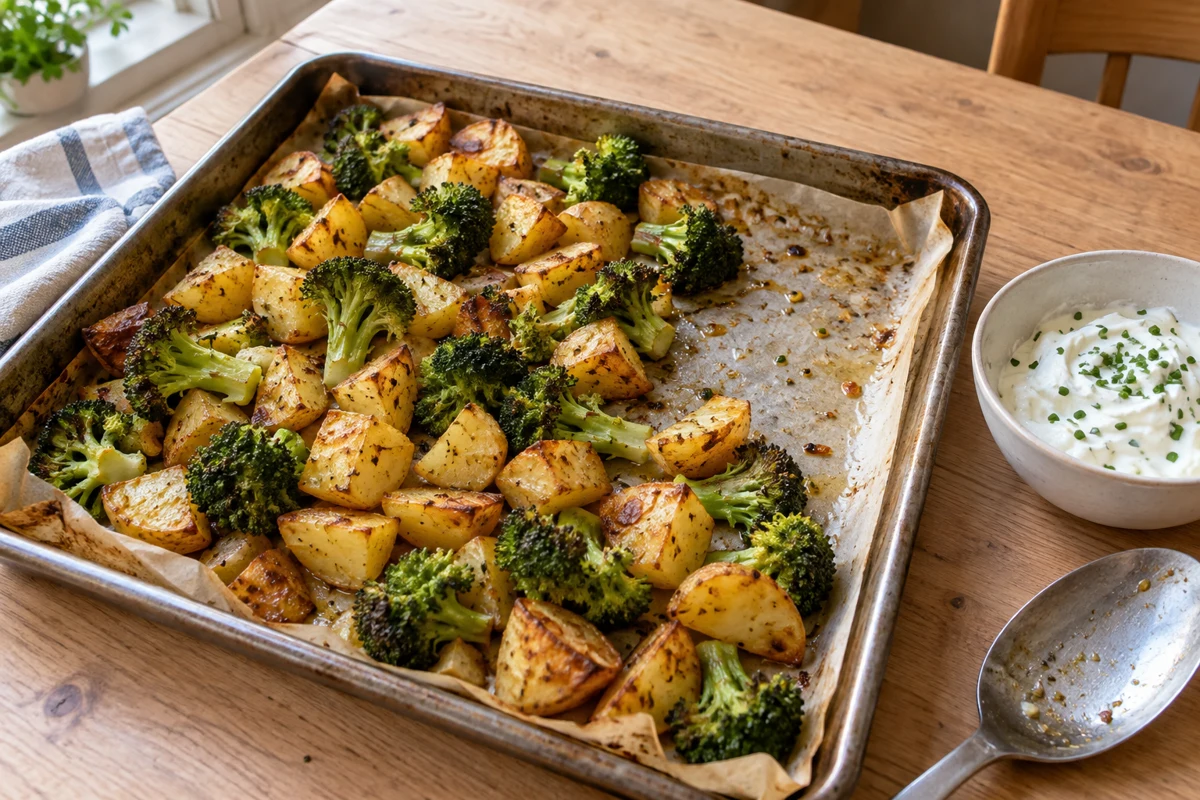
Roast potatoes, broccoli & dip
Why it works for childrenDip it, try it separately, start small.
The ingredients bringProtein · Calcium · Fibre
Let’s make it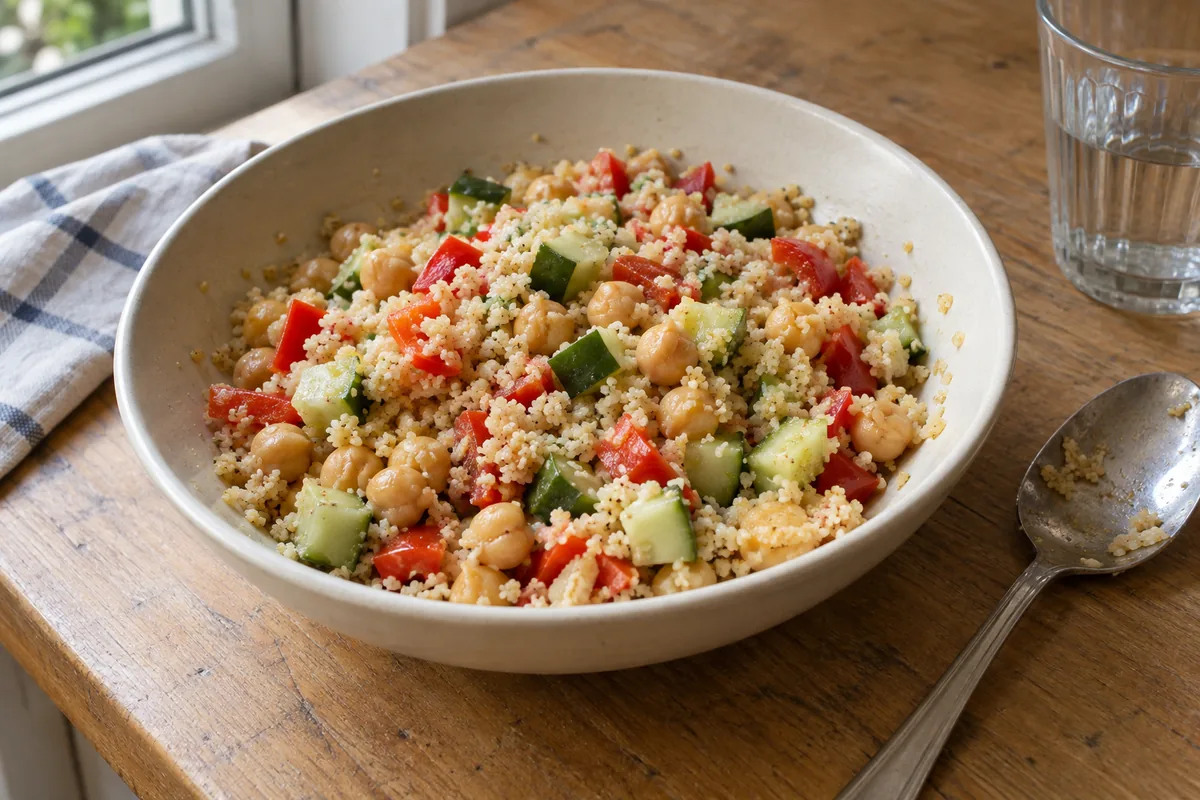
Boil the kettle, let it soak and stir. An easy bowl that works warm or chilled.
Protein · Fibre · Iron
Why it works for children & what’s in itTimes are estimates for the base recipe. Larger quantities may take longer.
Instant couscous soaks without a hob. Chop the two vegetables while it softens.
Soak the couscous the night before, cool quickly and refrigerate. Prepare chickpeas and vegetables separately and mix just before eating.
Got interrupted? Tick off each step as you finish, so you can find your place again here.
Your child can stir the cooled ingredients or bring the small bowls to the table. An adult handles the boiling water.
It does not have to be a family cooking project. It is fine to do it yourself today.
Soft little grains and mild chickpeas can be combined at your child’s pace. Vegetables can stay separate. Prepare firm pieces and round chickpeas for younger eaters.
A building block children need for growth and for making body tissues.
About this nutrientParts of plant foods that help keep digestion working normally.
About this nutrientThe body needs iron to carry oxygen in the blood.
About this nutrientThese notes refer to the ingredients in the base recipe. The amount on the plate depends on preparation, portion size and swaps. Variety across the week makes the difference.
Softly cooked carrot works instead of pepper. Couscous contains wheat: use rice or quinoa cooked separately according to the packet if needed, allowing extra time.
Small separate piles on a plate are just as welcome as a mixed bowl. A spoonful of plain yoghurt can make the texture more familiar, but adds milk as an allergen.
Cool the couscous quickly and refrigerate within 1–2 hours at 5 °C or below. Keep covered until the next day, with raw vegetables separate. Use a cool bag and ice pack when taking it out.
Designed for family meals from age 3, not as a weaning recipe. Always adapt shape and texture to your child’s abilities. Cook hard pieces until soft or grate finely; cut up small round foods. Stay with your child while they eat. For known allergies, check ingredients and substitutions individually.
A good idea might make someone else’s day a little easier. Take an image for your story or your next post.
Story, post or just the photo: choose your image, then save or share it. The recipe link and caption are ready to copy too.
These recipes are ideas for family life with children aged 3 and up. Quantities are a guide, not a target to finish. Age, appetite and individual needs vary. Variety across the week matters; no single recipe covers every nutritional need.
Our general guidance draws on the recommendations below. These organisations have not reviewed or endorsed the individual recipes. Editing: Pureli.
Recipe development: Pureli.
Main meals15 min hands-on · 45 min total · 7 ingredients
Why it works for childrenDip it, try it separately, start small.
The ingredients bringProtein · Calcium · Fibre
Let’s make it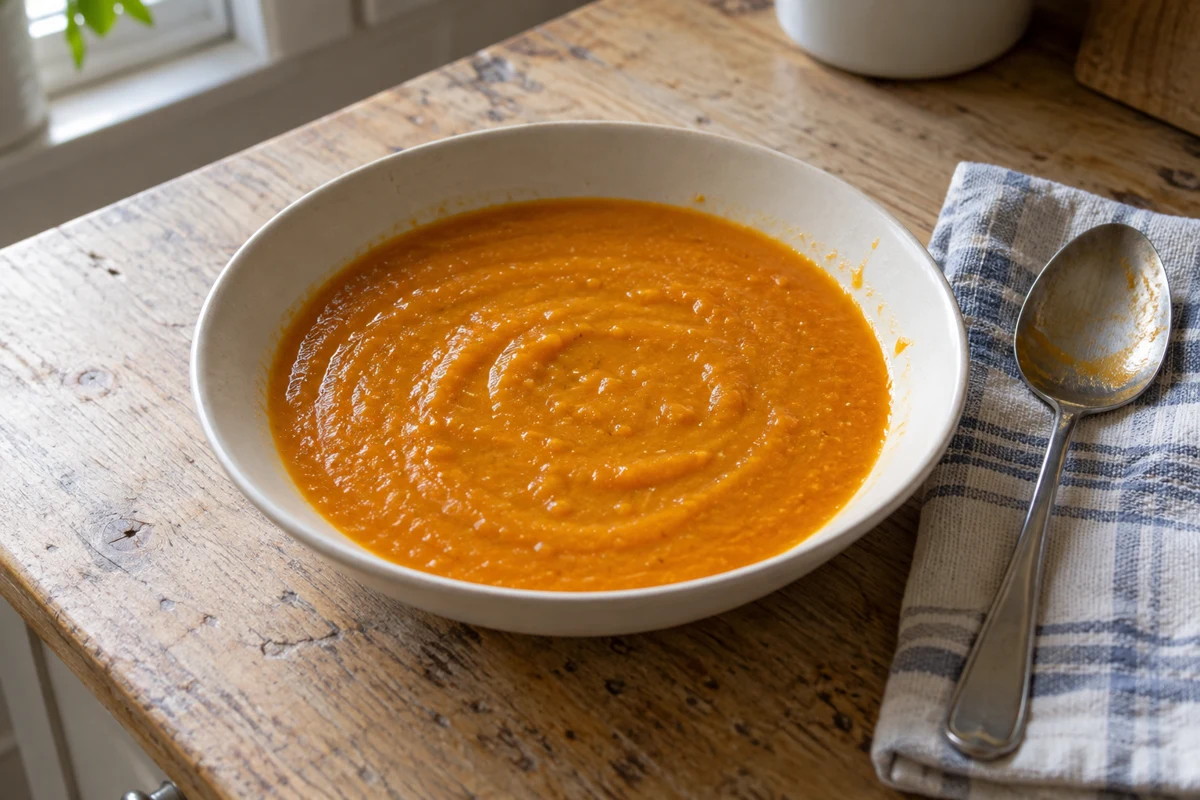 Main meals
10 min hands-on · 40 min total · 7 ingredients
Why it works for childrenMild and smooth. You choose the texture.
The ingredients bringIron · Folate · Beta-carotene
Let’s make it Main meals
15 min hands-on · 40 min total · 7 ingredients
Why it works for childrenSoft pieces with familiar potatoes and egg.
The ingredients bringProtein · Iron · Folate
Let’s make it