What does it do?
Fibre is not digested in the small intestine like other carbohydrates. Different types act differently; some provide food for gut bacteria. Variety is more useful than concentrating on a single fibre product.
Where can you find it?
Wholegrains, pulses, vegetables, fruit, nuts and seeds provide different fibres. Juice is not an equivalent replacement for whole fruit in this respect.
Make it work in everyday life
Begin with one small step: oats at breakfast, beans in a sauce or vegetables beside a familiar main component. Major changes need not happen all at once. Offer water regularly too. If one texture is unpopular, try another preparation, such as a smooth spread instead of whole beans. Aim for varied meals, not a competition to reach the highest fibre number.
Does extra fibre always help tummy problems?
No. Symptoms have different causes. Persistent pain, blood in the stool or significant constipation need medical assessment rather than simply adding more fibre yourself.
Try it in the family kitchen
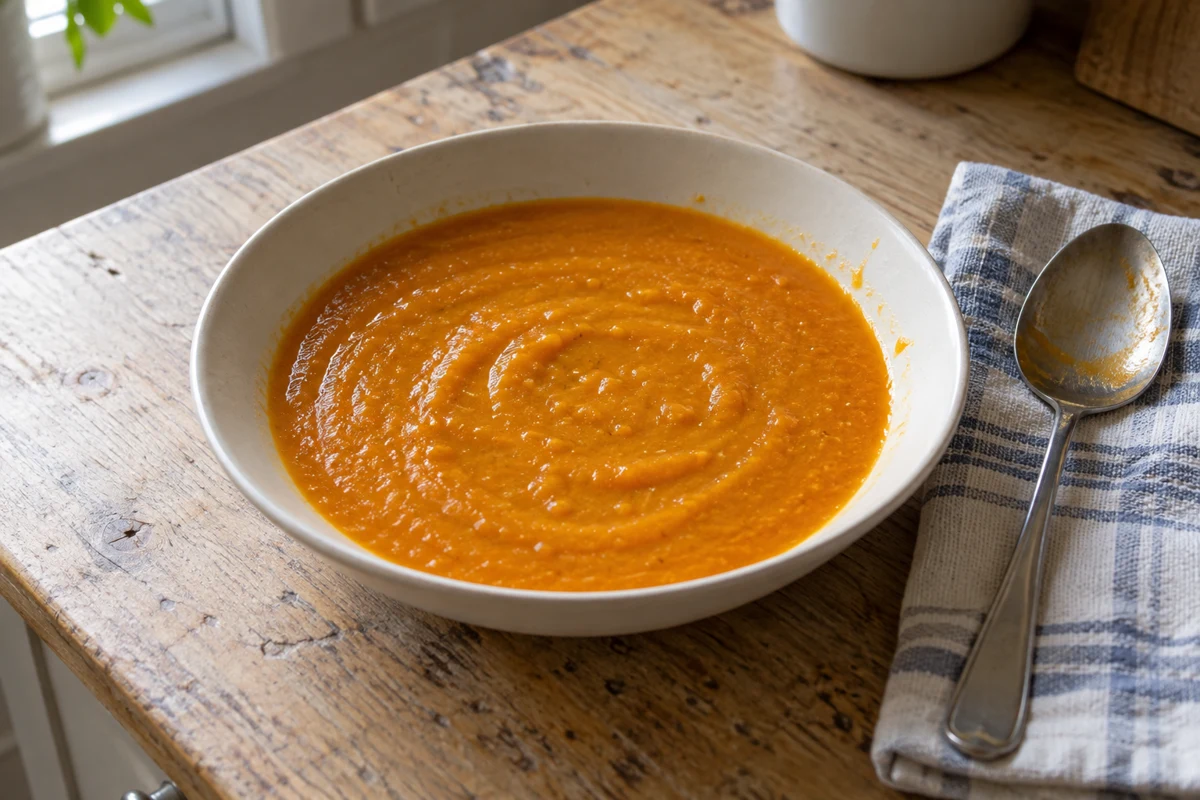
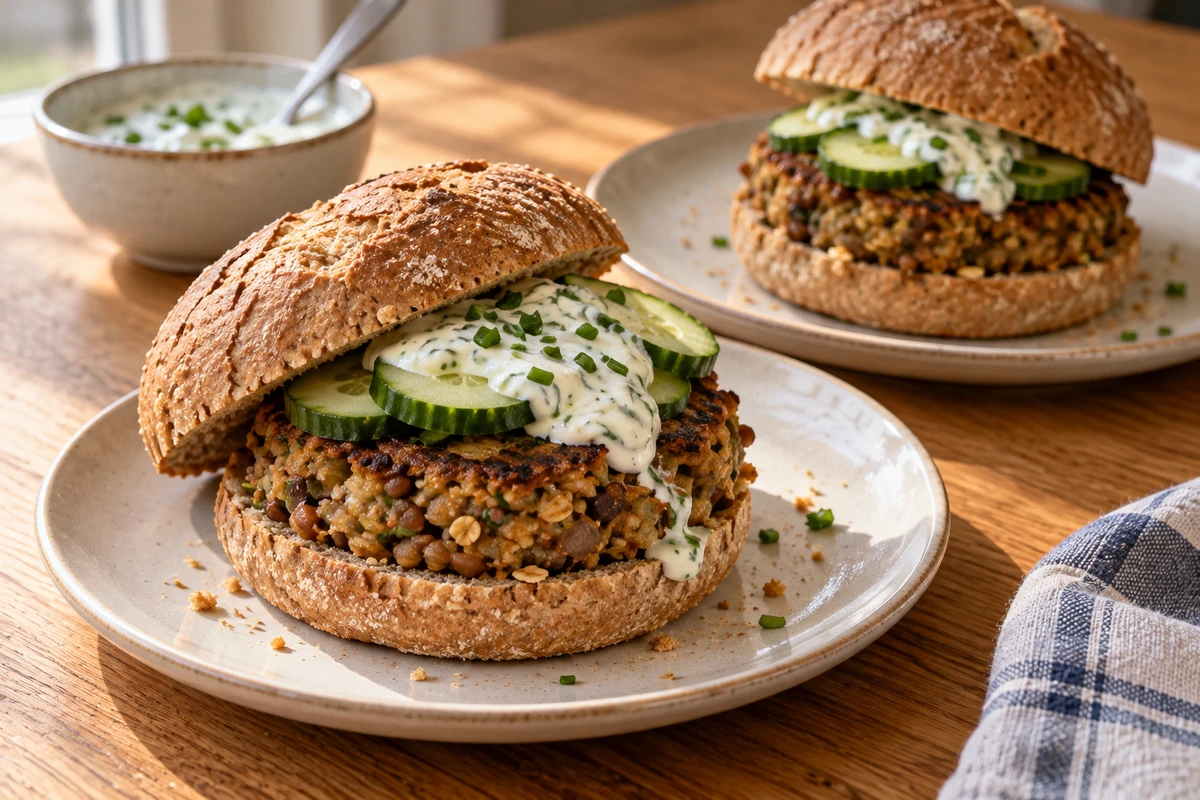
These recipes illustrate suitable ingredients, not guaranteed daily nutrient coverage.
Read more about this topic in the magazine →
Sources & context
Read the underlying references here. Our everyday suggestions are examples, not calculated nutrition plans.
- NHS · Fibre in the diet ↗
Reference for functions, food sources and the limits of interpretation.
- EFSA · Carbohydrates and dietary fibre ↗
Reference for functions, food sources and the limits of interpretation.
References checked: 13 October 2026. General nutrition information; not evidence of a Pureli product effect or a replacement for individual medical advice.
General guidance for families. Food examples are not a diagnosis, dosing instruction or guarantee of adequate intake. Symptoms, medical conditions or a very restricted food range need individual advice.
Explore all nutrients →