What does it do?
Omega-3 is a family of fatty acids. ALA must come from food. The body can convert it to EPA and DHA, but only to a limited extent. DHA is part of cell membranes, especially in the brain and retina. This does not establish performance benefits from extra capsules.
Where can you find it?
Rapeseed oil, linseed oil and walnuts provide ALA. Oily fish such as salmon supplies EPA and DHA. These sources are not interchangeable one for one.
Make it work in everyday life
Start with your usual ingredients: which oil do you use, and does your family eat fish? A familiar meal can often be varied with one suitable ingredient. Avoiding fish calls for thoughtful planning, not a self-designed high-dose regimen. Offer nuts in a form suitable for younger children; texture needs to match safe chewing skills.
Is a walnut dish equivalent to a fish dish?
No. It mainly provides a different omega-3 form. These ingredients can fit different diets without guaranteeing the same EPA and DHA content.
Try it in the family kitchen
These recipes illustrate suitable ingredients, not guaranteed daily nutrient coverage.
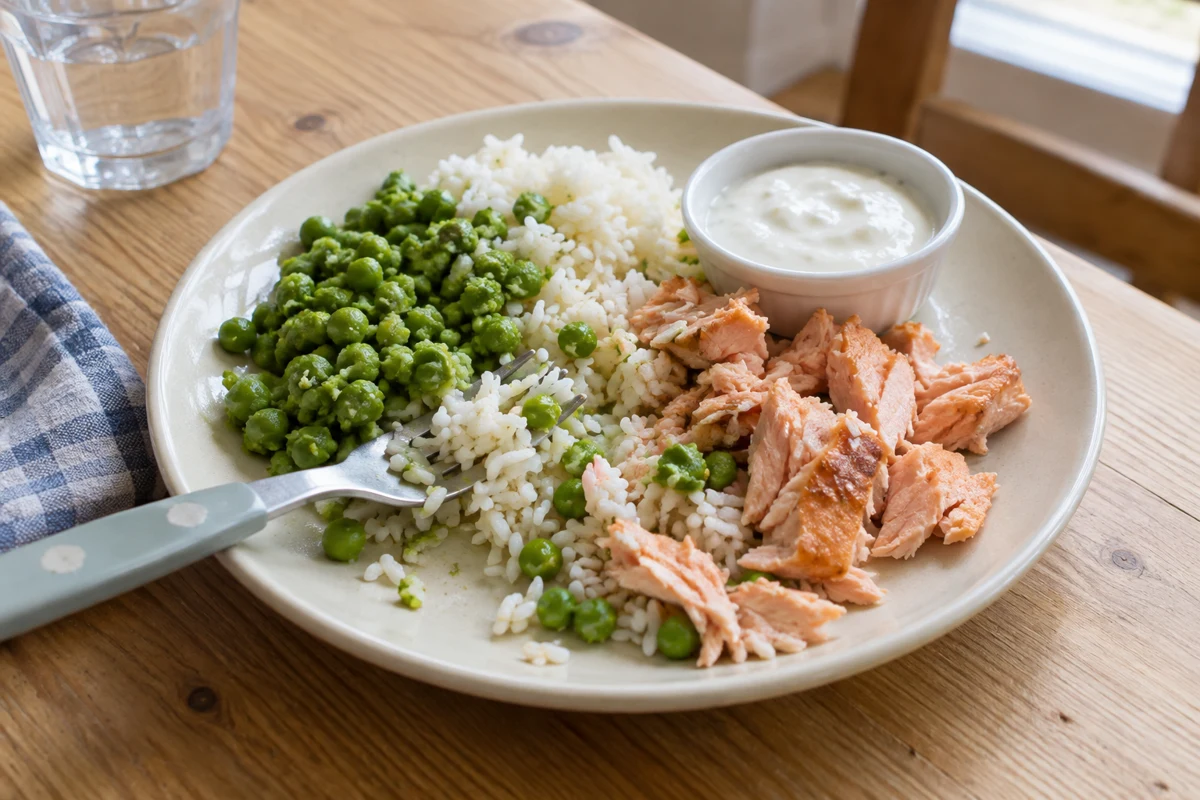
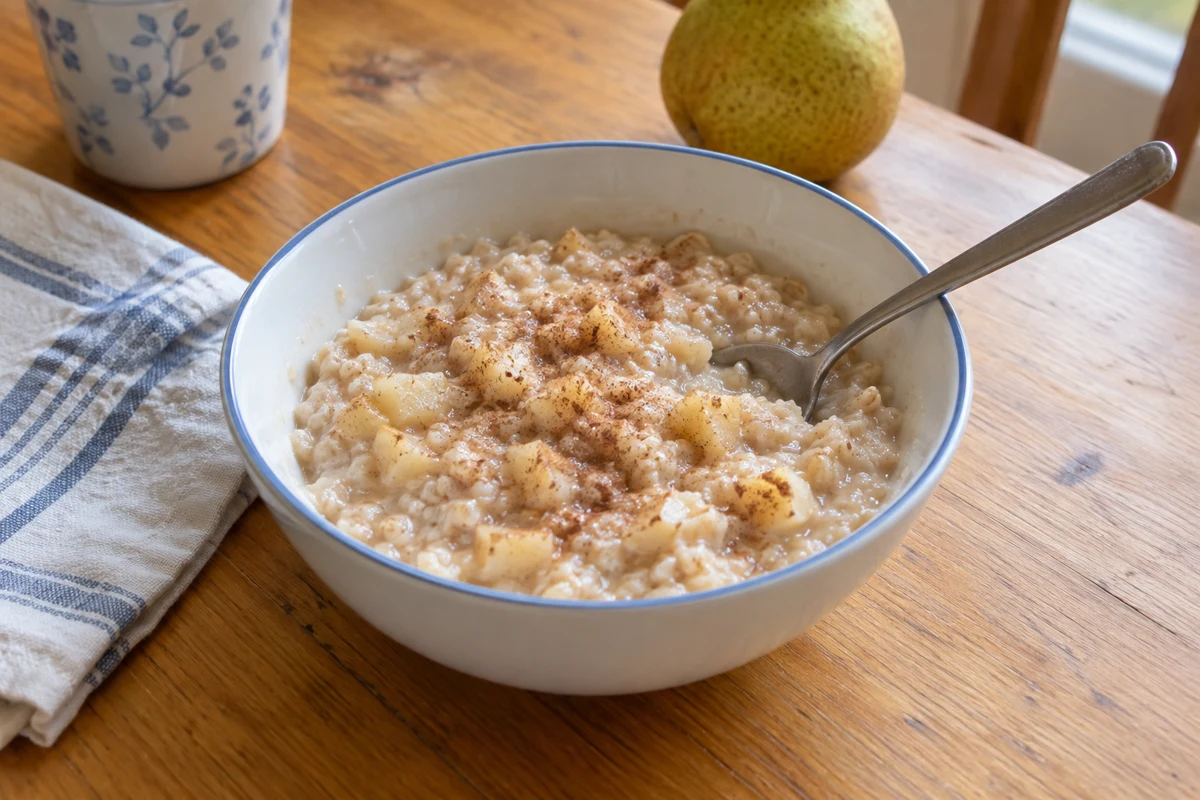
Read more about this topic in the magazine →
Sources & context
Read the underlying references here. Our everyday suggestions are examples, not calculated nutrition plans.
- NIH · Omega-3 fatty acids ↗
Reference for functions, food sources and the limits of interpretation.
- EFSA · Dietary reference values for fats ↗
Reference for functions, food sources and the limits of interpretation.
References checked: 13 October 2026. General nutrition information; not evidence of a Pureli product effect or a replacement for individual medical advice.
General guidance for families. Food examples are not a diagnosis, dosing instruction or guarantee of adequate intake. Symptoms, medical conditions or a very restricted food range need individual advice.
Explore all nutrients →