What does it do?
The body can convert beta-carotene into vitamin A. Vitamin A is involved in vision and normal immune function. Conversion and absorption vary; beta-carotene and preformed vitamin A are not equal amounts of the same substance.
Where can you find it?
Carrots, pumpkin and green leafy vegetables provide beta-carotene. Preformed vitamin A occurs in animal foods. Both routes matter when understanding this vitamin.
Make it work in everyday life
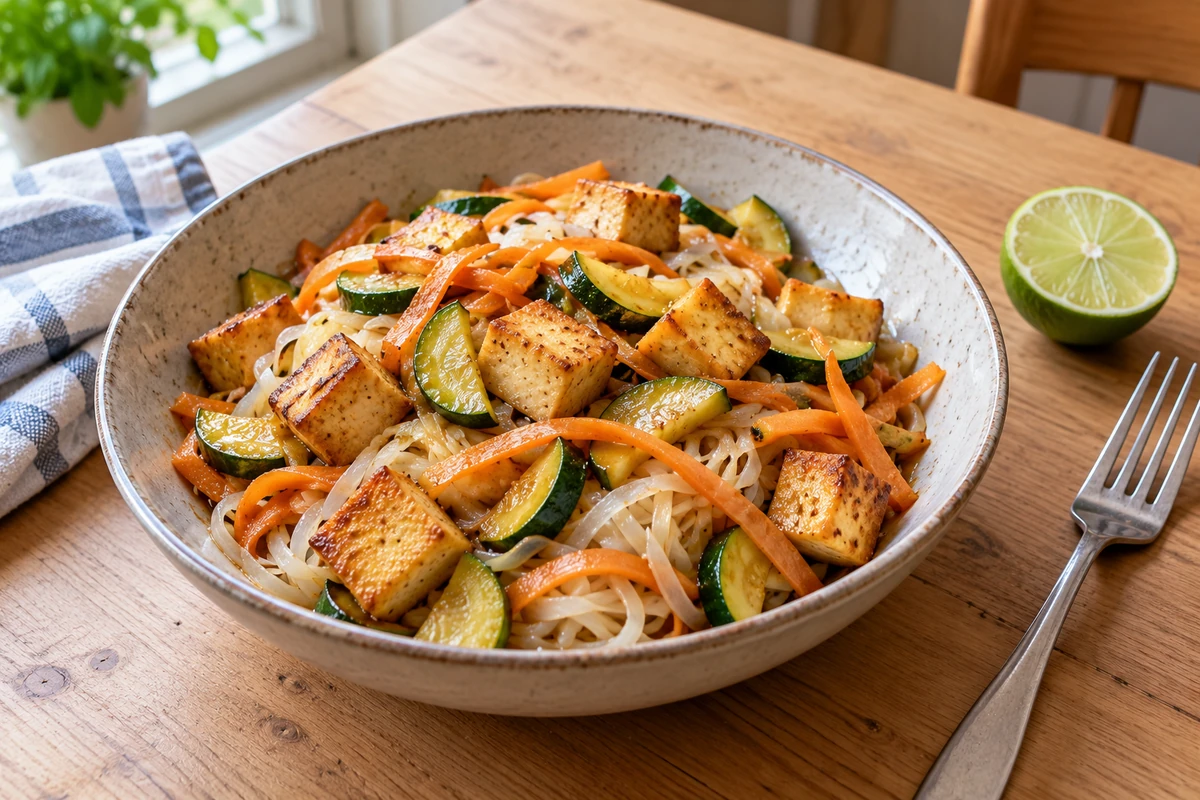
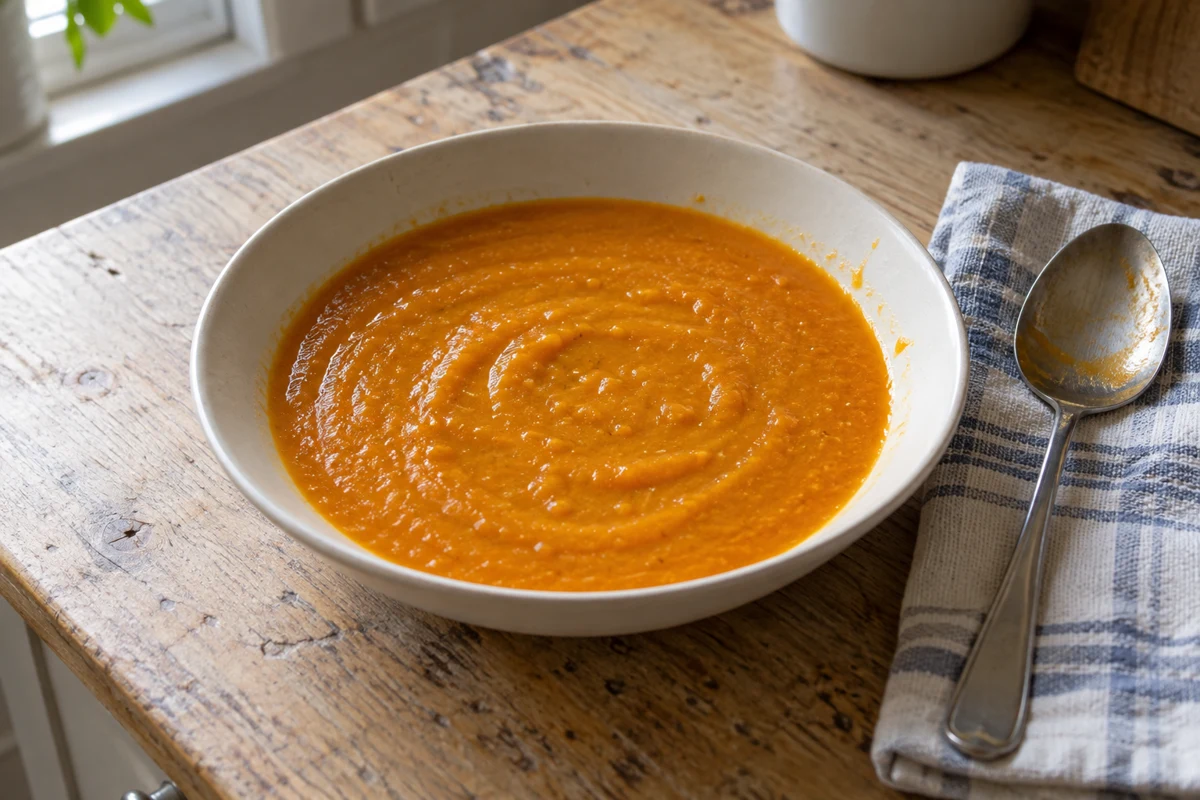
Try carrots in a form that fits your meal: cooked until soft in soup, added to a sauce or cut into age-appropriate pieces. In the tofu rice-noodle recipe, carrots are one ingredient in a varied meal. A child who currently dislikes them does not need to be persuaded with a promise about better eyesight.
Will lots of carrots improve eyesight?
Vitamin A is needed for normal vision. That does not mean extra carrots or supplements improve the eyesight of a child who already has enough.
Try it in the family kitchen
These recipes illustrate suitable ingredients, not guaranteed daily nutrient coverage.
Sources & context
Read the underlying references here. Our everyday suggestions are examples, not calculated nutrition plans.
- NIH · Vitamin A and carotenoids ↗
Reference for functions, food sources and the limits of interpretation.
- SGE · Schweizer Ernährungsscheibe ↗
Reference for functions, food sources and the limits of interpretation.
References checked: 13 October 2026. General nutrition information; not evidence of a Pureli product effect or a replacement for individual medical advice.
General guidance for families. Food examples are not a diagnosis, dosing instruction or guarantee of adequate intake. Symptoms, medical conditions or a very restricted food range need individual advice.
Explore all nutrients →