What does it do?
Iron is part of haemoglobin, the red blood pigment. It occurs in different forms in food; absorption depends on more than iron content alone. A recipe cannot reveal an individual child’s iron status.
Where can you find it?
Lentils, beans, tofu, oats and wholegrains can contribute iron. Meat and fish also contain it, including the more readily absorbed haem form.
Make it work in everyday life
Choose an iron-containing ingredient that fits a familiar dish. Serve peppers or broccoli with a mild lentil sauce, or pair oats with fruit. A small side can stay separate on the plate. These are ideas for combinations, not calculated daily menus. The linked magazine article offers a fuller introduction with everyday examples.
Does my tired child need extra iron?
Tiredness has many possible causes. Persistent changes deserve assessment by the child’s clinician, who can decide on tests and treatment. Do not simply try a supplement.
Try it in the family kitchen
These recipes illustrate suitable ingredients, not guaranteed daily nutrient coverage.
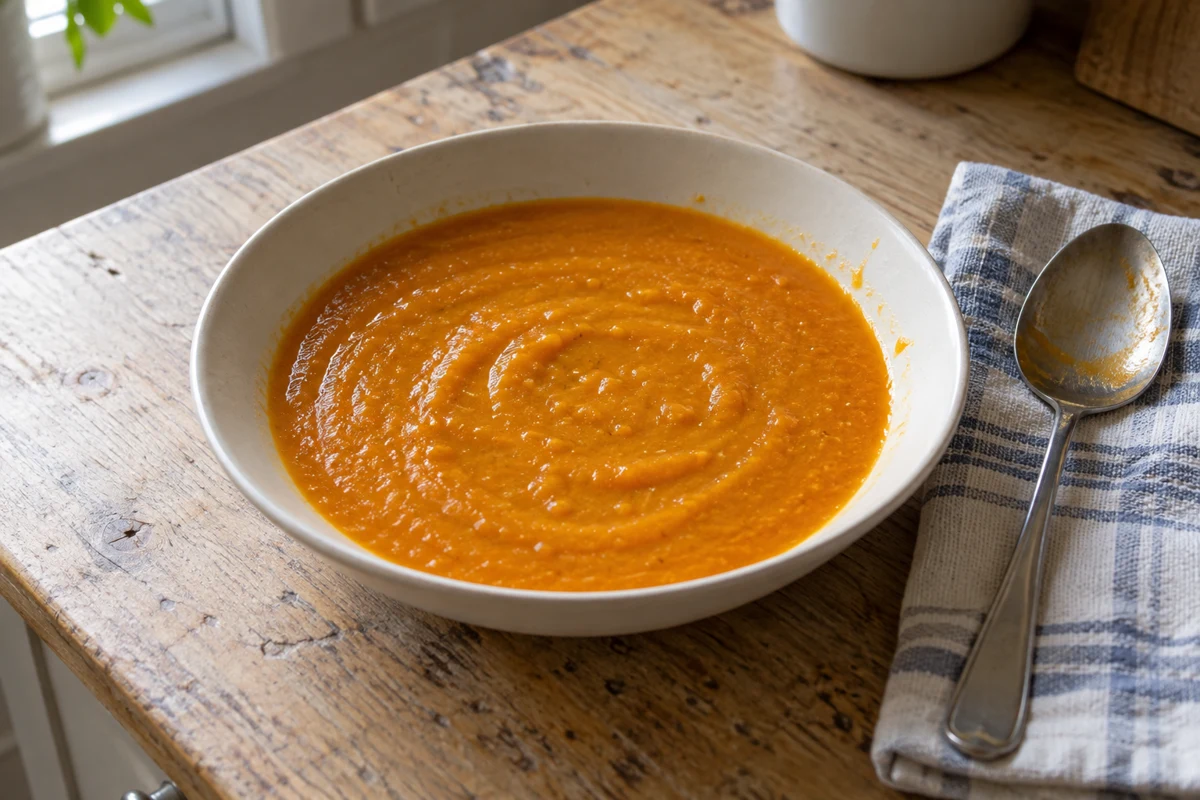
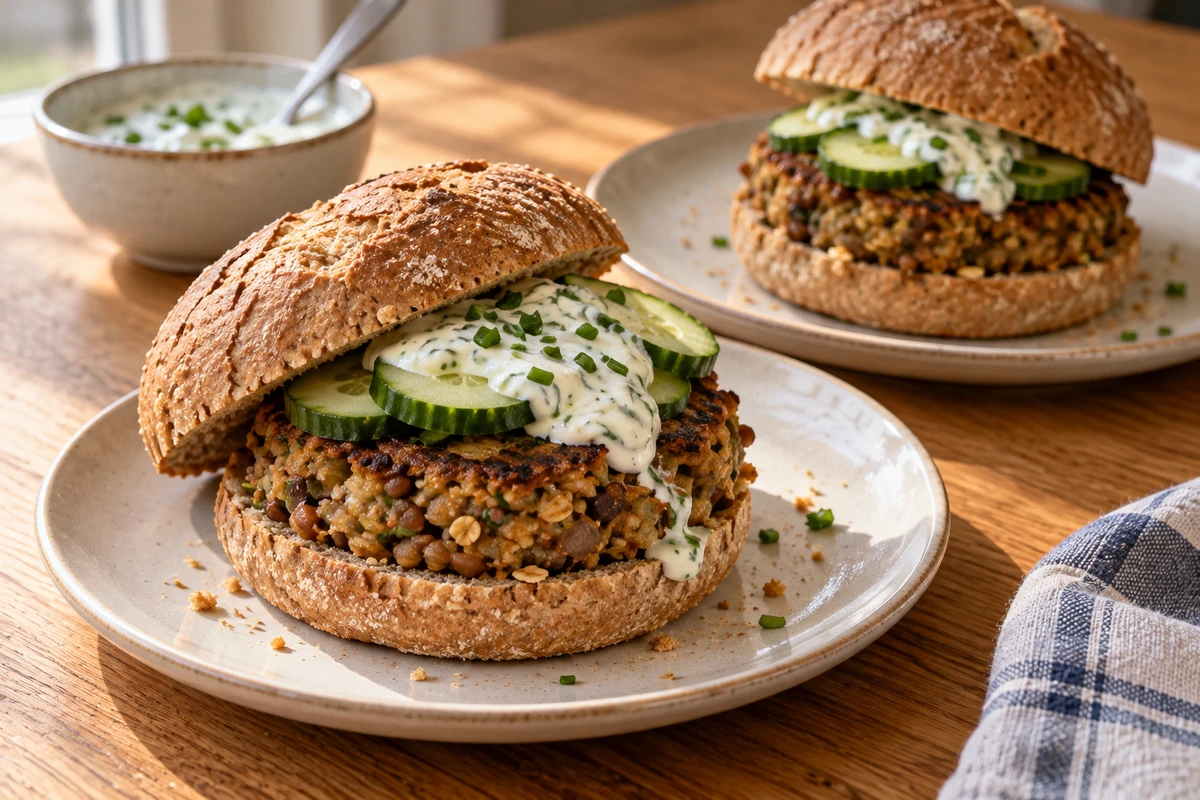
Read more in the magazine: Iron for children: useful foods, everyday meals and when to seek advice
Sources & context
Read the underlying references here. Our everyday suggestions are examples, not calculated nutrition plans.
- NIH · Iron ↗
Reference for functions, food sources and the limits of interpretation.
- NHS · Iron deficiency anaemia ↗
Reference for functions, food sources and the limits of interpretation.
References checked: 13 October 2026. General nutrition information; not evidence of a Pureli product effect or a replacement for individual medical advice.
General guidance for families. Food examples are not a diagnosis, dosing instruction or guarantee of adequate intake. Symptoms, medical conditions or a very restricted food range need individual advice.
Explore all nutrients →