Understand iron without calculating every plate
- Iron has important roles in the body. Looking at one meal cannot tell you whether a child is getting enough.
- Offer different iron-containing foods regularly. Plant sources can be paired with vegetables or fruit containing vitamin C.
- Persistent symptoms deserve medical assessment. Iron supplements are not a precautionary response to an ordinary tired afternoon.
Why iron matters – and why tiredness is not a diagnosis
Iron is part of haemoglobin, which carries oxygen in the blood. Getting enough matters for a growing child. That does not mean a tired or distracted child automatically lacks iron. Sleep, infections, stress and many other factors can affect how a child feels.
If a change persists, describe what you have noticed: when it started, which situations bring it out and whether there are other symptoms or a very limited range of foods. These observations are more useful in a consultation than deciding on a diagnosis yourself.
Our iron knowledge entry brings together the basic functions and food sources. This article focuses on turning that information into a workable family routine.
Which iron-containing foods work in family meals?
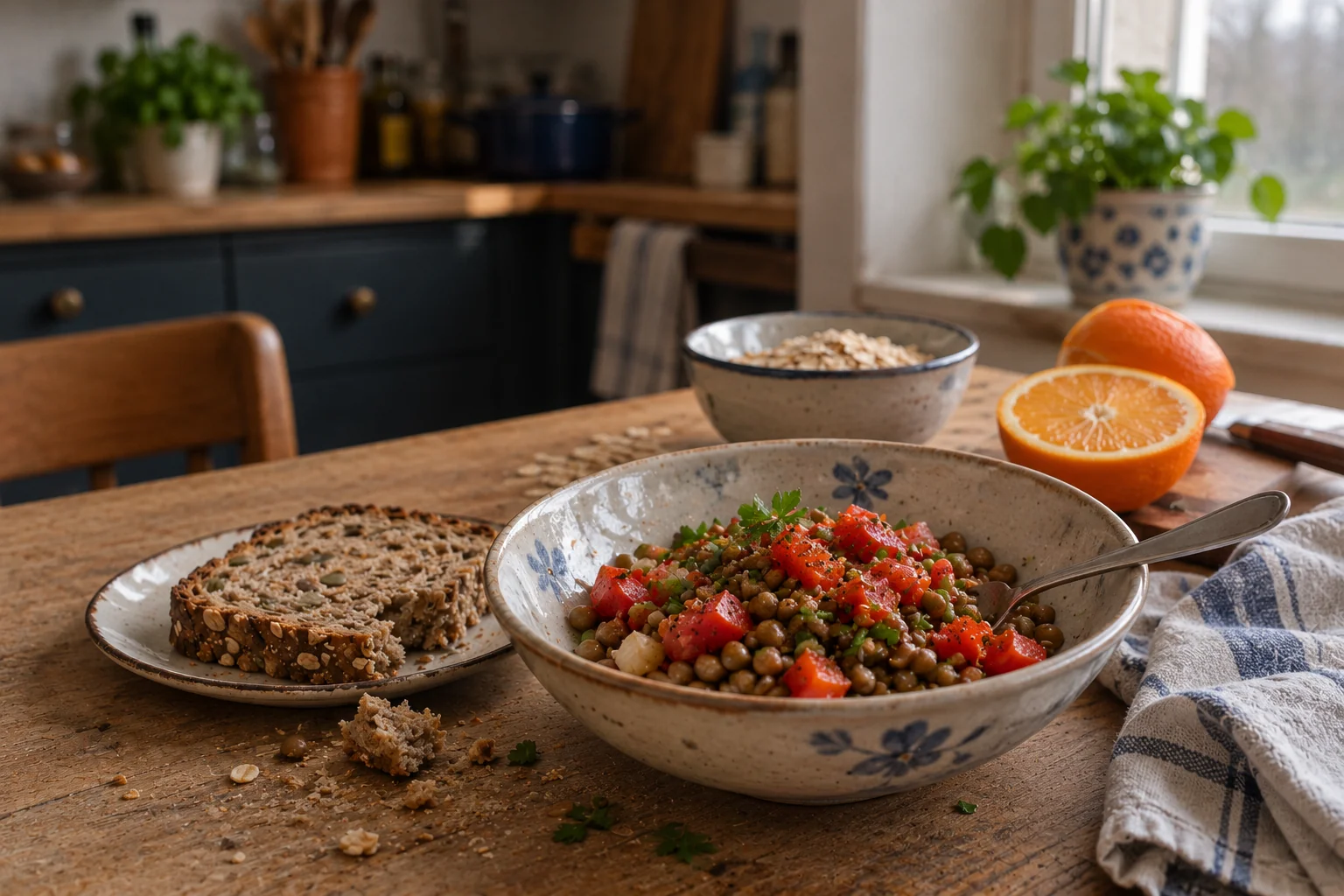
Iron is not only about meat. Lentils, beans, chickpeas, oats and wholegrains provide plant-based iron. Meat can also contribute if your family eats it. Think about variety over several days rather than finding one food that tops a ranking.
- At breakfast: warm porridge with berries or a little orange.
- At lunch: a mild lentil sauce with familiar pasta, plus peppers or broccoli.
- At dinner: wholemeal bread with bean spread and vegetables; an occasional meat component if that fits your family’s diet.
These are meal ideas, not calculated daily menus. The amount of iron eaten and absorbed also depends on the recipe, portion and overall diet. One dish therefore cannot be labelled as meeting a child’s entire requirement.
A nutrient is not a performance switch
Iron’s normal functions explain why adequate nutrition matters. They do not establish that an extra product improves concentration, energy or school performance in a child who already has enough.
Add vitamin C without making meals complicated
Vitamin C can help the body absorb iron from plant foods. An everyday ingredient may do the job: peppers with a bean filling, broccoli alongside lentils or citrus fruit with an oat breakfast. You do not need a special juice or vitamin supplement to create that combination.
Start with a pairing your family enjoys. If raw peppers are rejected, there is no need for an argument: broccoli might work better, or fruit could be offered separately. Several small dishes on the table are fine. Not everything needs to disappear into one sauce.
Our vitamin C entry explains its role and why extra amounts do not automatically offer extra benefits.
When beans and lentils are not favourites yet
A child unfamiliar with pulses does not need a completely new weekly menu. Begin with a small, visible portion beside something familiar. Red lentils have a different texture from whole chickpeas; a smooth bean spread feels different from a chunky stew.
Let your child choose between two manageable options: lentil soup or small lentil patties? The choice could simply be which side dish to have. Rejecting one serving is not a final verdict on every pulse.
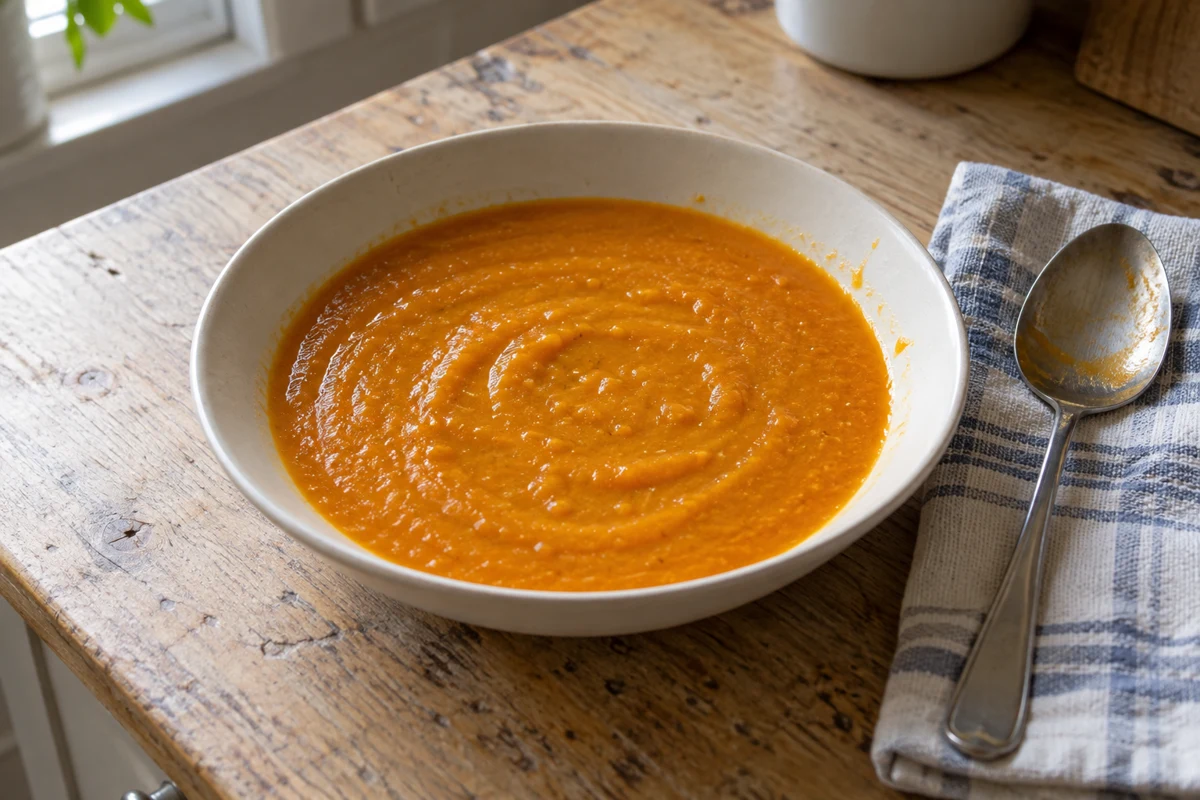
Our lentil and carrot soup is one possible starting point. Seek support if the range of accepted foods is extremely narrow, meals cause considerable distress or growth is a concern. Our picky eating article explores that distinction.
A small change for the week
Choose two meals you already make. Add a pulse to one and a suitable fruit or vegetable to the other. Afterwards, simply note what was enjoyed and which texture worked. You do not need a daily iron scorecard to try this.
When possible iron deficiency needs assessment
Persistent unusual tiredness, noticeable paleness or reduced stamina are reasons to speak to your child’s clinician. They do not prove iron deficiency. The clinician considers symptoms, diet and development, then decides whether blood tests are appropriate.
A ferritin result needs context because inflammation can affect it. A single number found online cannot replace medical interpretation. If a deficiency is confirmed, understanding the underlying reason also matters.
Where iron treatment is prescribed, the product, amount and duration should be professionally guided. Keep iron medicines securely away from children: an overdose can be dangerous. Do not independently combine several products containing iron.
Common questions about iron for children
Do vegetarian children automatically need iron supplements?
Is spinach the best source of iron?
Do I need to calculate iron intake every day?
Can poor concentration reveal iron deficiency?
How can I support my child’s iron intake?
Offer a range of iron-containing foods regularly and pair plant sources with vegetables or fruit containing vitamin C. Look at meals across the week. Persistent symptoms and decisions about supplements need individual assessment.
Sources & context
Read the underlying references here. Our everyday suggestions are examples, not calculated nutrition plans.
- DGE · Eisen ↗
Food sources and absorption; everyday symptoms do not establish a diagnosis.
- NIH · Iron ↗
Functions and interpretation of iron status; US values are not Swiss dosing instructions.
- NHS · Iron deficiency anaemia ↗
Clinical assessment, treatment and safe storage.
- SGE · Schweizer Ernährungsscheibe ↗
Varied eating without pressure for children aged 4–12.
References checked: 13 October 2026. General nutrition information; not evidence of a Pureli product effect or a replacement for individual medical advice.